The short answer: yes, but not the SEO most travel brands are paying for. AI answers lean on the same web that search does: pages that are crawlable, clearly structured and trusted by other sites. Around 90% of the work overlaps. What has changed is which searches still send clicks, what your content needs to do, and how you should measure it.
That’s the answer. The rest of this article covers what to keep, what to change and how to tell if it’s working.
What AI has changed
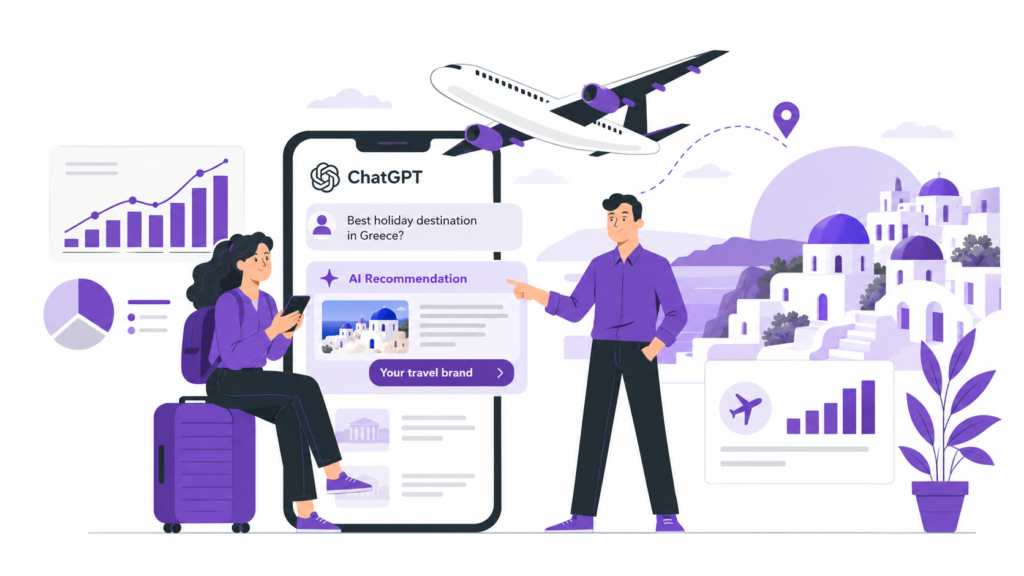
When a traveller asks “what’s the best time to visit Japan?”, Google’s AI Overview or ChatGPT now answers it on the spot. Fewer people click through for that kind of question. If your SEO was built on ranking blog posts for broad travel questions, you’ll feel it.
The searches that matter most to a travel business are different. “Small group tours of Japan for over 50s.” “Family villa holidays in Florida with a pool.” These come from people getting close to booking, and both Google and AI platforms still send those people to the brands they trust.
So SEO hasn’t stopped working. The easy wins have gone, and the work has moved closer to the booking.
What still works
Travel SEO has always been different. There’s seasonality, long consideration windows, big margin differences between destinations, and customers who research for weeks then book fast. None of that has changed.
Two examples from our own clients.
Ocean Florida took the number one spot on Google for their biggest keyword and held it for 16 months, ahead of Love Holidays, Virgin Holidays and TUI. Organic traffic grew 183% and conversions 93%.
For The Dragon Trip, we optimised their priority tour pages around how AI Overviews behave, audited where competitors were being cited in AI answers, and briefed content to close the gap. One sprint in, non-branded impressions were up 151% and their brand share in AI Overviews was up 22%.
Both are SEO. The second is SEO built for how people search now.
What to change
1. Stop chasing traffic for its own sake. Measure each destination page against impressions, non-branded sessions, enquiries and booking revenue. Every page then falls into one of three actions: fix the conversion, build its authority, or double down.
2. Pick your battles. Most travel brands try to rank their whole site at once and never catch the big holiday sites. Split your site into segments, win one, then move on to the next.
3. Write for questions, not keywords. Your priority pages should answer, plainly, the questions a traveller asks before they book. That’s what AI quotes and what Google rewards.
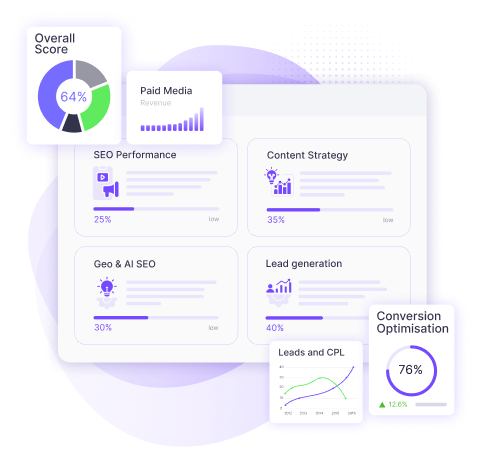
4. Track AI visibility alongside rankings. Mentions, citations and share of voice in AI answers belong in the same report as rankings and revenue.
The honest conclusion
SEO is still worth it for travel brands. Lazy SEO isn’t: reports full of impressions, blog posts nobody books from, and no idea what AI says about you.
If you want to see where you stand, we’ll benchmark your brand against your competitors in AI search for free.